Rynda: A Script Font That Balances Charm and Clarity
Finding a script font that feels personal without becoming illegible is a common challenge for creatives. Many handwritten typefaces sacrifice function for flair, becoming a decorative element rather than a practical design asset. This is where Rynda distinguishes itself. It’s a modern script font designed to bring a warm, human touch to projects while maintaining a clean, readable structure. It’s not trying to be a formal calligraphic piece or a messy scrawl; it occupies a sweet spot of approachable elegance.
Understanding the Visual Character of Rynda
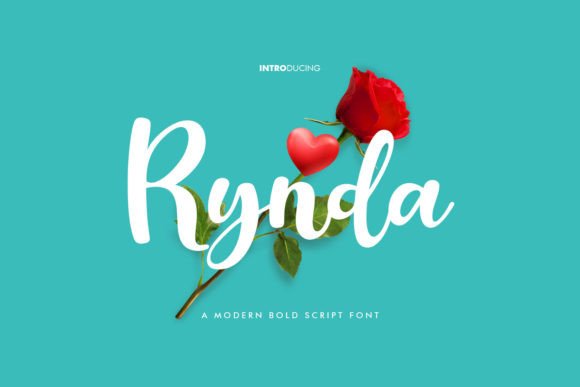
At its core, Rynda is a premium font with a contemporary script personality. The letterforms flow with a natural, connected rhythm, reminiscent of thoughtful handwriting rather than rapid cursive. You’ll notice a slight slant that gives it energy and direction, but the spacing between characters is carefully managed to prevent the letters from colliding. The strokes vary in weight, providing a subtle contrast that adds depth and prevents the text from looking flat or monotonous.
The overall aesthetic is modern and cute, but not childish. It avoids overly ornate swashes or extreme loops that can date a design or reduce legibility at smaller sizes. This makes it a remarkably versatile display font. Its charm lies in its ability to feel friendly and genuine, which is invaluable for projects aiming to build trust and connection. Think of it as the typographic equivalent of a confident, warm smile—it’s inviting and immediately sets a positive tone.
Where Rynda Truly Shines: Practical Applications
The real test of any creative font is how it performs in the wild. Rynda’s balanced design opens up a wide array of uses across different mediums. For logo design, it can form the entire wordmark for brands that want to emphasize approachability, creativity, or a personal touch. It works exceptionally well for boutique businesses, lifestyle bloggers, artisan product makers, and any service where the human element is a key selling point. Paired with a simple sans serif font for body text, it creates a compelling visual hierarchy.
In editorial design, such as magazine layouts or book covers, Rynda excels at setting headlines, pull quotes, or chapter titles. It draws the reader’s eye and injects personality without overwhelming the accompanying serif font used for longer passages. For packaging design, it can highlight a product name or a special feature on a label, conveying a handcrafted or premium feel. Similarly, in web design, it can be used sparingly for key headings or call-to-action elements to break the monotony of standard web fonts and add visual interest.
For social media graphics, where grabbing attention in a fast-scrolling feed is paramount, Rynda is a powerful tool. It can make quotes, announcements, and promotional posts feel more personal and engaging. Entrepreneurs and marketers can use it to create consistent, branded templates for Instagram stories, Pinterest pins, or Facebook ads that stand out with a cohesive and professional look. Its utility extends to physical materials too: think wedding invitations, greeting cards, and event banners.
Integrating Rynda into Your Design Workflow
Adopting a new typeface like Rynda into your toolkit requires a thoughtful approach. First, consider the project’s core message. If the goal is to convey cutting-edge technology or stark minimalism, a script font might not be the right fit. But for projects centered on creativity, warmth, community, or personal service, Rynda is a strong candidate. Always test it in context. Mock up your design with real text to evaluate how the font’s personality interacts with your imagery and color palette.
A critical step is font pairing. Rynda’s flowing nature pairs beautifully with clean, geometric sans serif fonts like Montserrat or Lato for a modern look. For a more classic or refined feel, it can be combined with a traditional serif font like Garamond or Georgia. The key is contrast—let Rynda be the star for headlines or accents, and allow a more neutral font to handle the bulk of the text. This ensures readability and establishes a clear visual hierarchy.
When you acquire Rynda, review the full character set and any included styles. Check for essential glyphs like punctuation, numbers, and common ligatures. For commercial projects, verify the licensing terms. A quality commercial font like Rynda will come with a license that covers a wide range of uses, from digital ads to printed merchandise, giving you peace of mind and legal clarity. This is a crucial part of building a professional and consistent brand identity.
Final Thoughts on Choosing the Right Typeface
Ultimately, the best typeface is the one that serves the project’s goals and resonates with its intended audience. Rynda offers a specific blend of modern aesthetics and human warmth that can elevate designs seeking authenticity and charm. It’s a valuable addition to the library of any designer, publisher, or small business owner looking to create work that feels both polished and personal. By understanding its strengths and applying it judiciously, you can make your creative ideas not just stand out, but connect on a more meaningful level.