Emily Nathan: A Script Font That Feels Like a Conversation
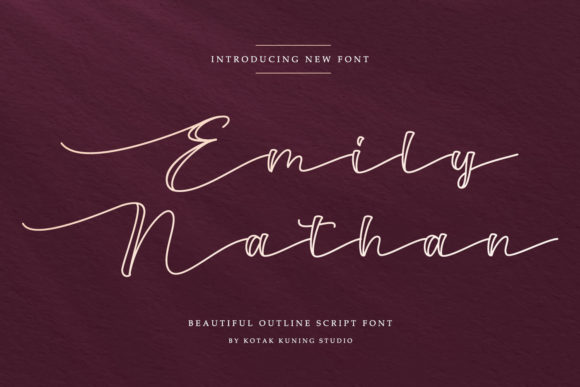
There’s a specific kind of magic in a handwritten note. It’s personal, immediate, and carries the unmistakable imprint of a human hand. In the digital world, we often lose that warmth. The Emily Nathan typeface is designed to bridge that gap. This isn't just another script font; it's a tool for adding genuine, personal character to your work. Its flowing, cursive letterforms are crafted with a natural rhythm that feels both elegant and approachable, making it a powerful asset for any designer or creator looking to inject authenticity into their projects.
At its core, Emily Nathan is a premium font with a sweet, conversational personality. The strokes have a pleasing weight variation, mimicking the pressure of a pen on paper. The connections between letters are fluid, creating a sense of continuous motion that guides the eye. It avoids the overly formal look of traditional calligraphy and the chaotic energy of some handwritten fonts, striking a perfect balance that feels modern and versatile. This script font excels in situations where you want to communicate care, creativity, and a personal touch.
Where This Creative Font Truly Shines
Understanding where a font works is just as important as liking how it looks. Emily Nathan is a display font, meaning it’s built for impact at larger sizes. Think headlines, logos, and featured quotes rather than body text. Its strengths lie in applications where personality and visual appeal are paramount.
- Logo Design & Brand Identity: For brands built on a foundation of craftsmanship, personal service, or boutique elegance, Emily Nathan can become a cornerstone of the brand identity. Imagine it on a bakery’s logo, a wedding planner’s website, or the masthead of a lifestyle blog. It immediately sets a tone of approachability and style.
- Editorial & Packaging Design: In editorial design, it’s perfect for pull quotes, chapter headings, or feature titles in magazines. For packaging design, it adds a handcrafted feel to labels for artisanal goods, cosmetics, or gourmet foods, making the product feel more special and considered.
- Digital & Social Media Graphics: In the fast-paced world of web design and social media, grabbing attention is key. Use Emily Nathan for hero text on a landing page, Instagram story highlights, or Pinterest pin titles. It creates a visual hook that feels more human and engaging than a standard sans serif font.
- Print & Personal Projects: From wedding invitations and greeting cards to inspirational wall art and personal stationery, this font brings a delightful, personal flair. It’s a fantastic design asset for crafters and hobbyists looking to elevate their creations.
Practical Guidance for Working with Emily Nathan
Choosing a font is a strategic decision. Here’s how to evaluate and implement Emily Nathan effectively in your workflow.
Evaluating Fit and Readability
First, consider your project’s goal. Is it to convey luxury, warmth, creativity, or reliability? Emily Nathan leans toward warmth and creativity. Test it at the intended size. While beautiful, intricate script fonts can lose legibility at small sizes or on low-resolution screens. Use it for short, impactful text—headlines, logos, and callouts—and pair it with a highly readable serif font or sans serif font for body copy. A clean, geometric sans serif often makes a wonderful companion, providing a modern contrast that lets the script stand out.
Exploring Versatility and Licensing
A quality creative font like this often comes with stylistic alternates and ligatures. These are alternate letterforms that add variety and a more authentic handwritten look. Explore the font’s full character set in your design software to see what’s available. For instance, you might find different versions of a lowercase ‘t’ or ‘h’ that better suit your layout.
Crucially, verify the licensing. If you’re using Emily Nathan for a commercial project—anything from a client’s logo to merchandise you sell—you need a commercial license. Reputable font foundries provide clear licensing information. This isn’t just a legal formality; it’s an investment in professional design assets and supports the typographers who create them.
Font Pairing in Practice
The goal of pairing is harmony, not competition. Let’s say you’re designing a website for a boutique florist. You might use Emily Nathan for the main “Welcome” headline and the shop’s name. For navigation links and paragraph text, you could choose a simple, elegant sans serif like Lato or Open Sans. This creates a clear visual hierarchy, where the script font draws the eye to key messages, and the supporting font ensures all other information is easy to read. This approach maintains brand consistency across all touchpoints, from the website to business cards and social media.
In the end, the best modern typography choices are those that serve the message. Emily Nathan offers a distinct voice—a sweet, cursive script that can make your designs feel more personal and memorable. By applying it thoughtfully to the right projects and pairing it with complementary typefaces, you can leverage its full potential to create work that resonates on a human level. It’s more than just a font; it’s a way to make your creation look and feel out of this world.