Designing with Heart: A Deep Dive into the Maria Alexa Script Font
There is a specific moment in every design project where the typeface you choose either connects with the viewer or falls flat. When you are working on a project that demands intimacy, elegance, and a human touch—such as a wedding invitation or a boutique logo—standard block letters rarely suffice. You need a voice that speaks through the visuals. Enter Maria Alexa, a premium font that bridges the gap between casual authenticity and refined sophistication. It is more than just a collection of letters; it is a tool for storytelling.
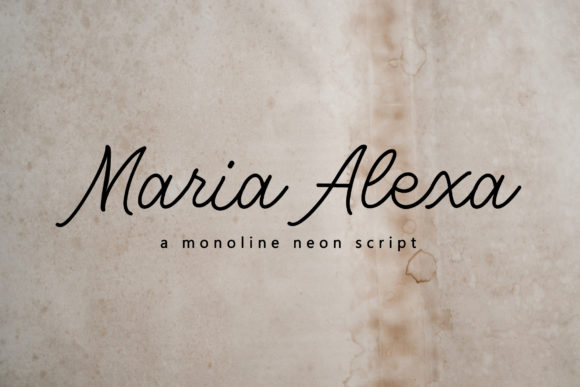
Maria Alexa is best described as a delicate, casual, and thin script font. However, those words hardly capture the nuance of its design. The defining characteristic of this typeface is its fluidity. The strokes mimic the natural flow of a fine-tipped pen moving across high-quality stationery. Unlike heavy, monolithic display fonts, Maria Alexa possesses a lightness. The thin letterforms allow for airy layouts where the typography feels like a whisper rather than a shout. This makes it an incredibly versatile asset for designers who need to convey warmth without sacrificing legibility.
The Anatomy of Elegance
Understanding the visual style of Maria Alexa helps in knowing where to deploy it. The font features distinct, flowing curves and a baseline that dances gently rather than sitting rigidly. It carries the hallmarks of a modern handwritten font but with the consistency required for professional use. The connections between letters are thoughtful, ensuring that words remain intact while maintaining the illusion of freehand writing.
For the entrepreneur or brand strategist, the personality of this font is key. Maria Alexa feels approachable. It does not carry the cold sterility of a geometric sans serif font, nor does it carry the stuffy weight of a traditional serif font. Instead, it occupies a sweet spot that feels "lived-in" yet polished. This makes it a powerful asset for brand identity, particularly for brands that want to position themselves as artisanal, personal, or client-focused. If your brand strategy relies on building trust and emotional connection, this typeface acts as a visual handshake.
Where Maria Alexa Shines Brightest
The versatility of a script font is often tested by how well it adapts to different mediums. Maria Alexa excels in both print and digital environments, though the approach to using it varies slightly depending on the canvas.
Wedding Stationery and Event Invitations
This is the natural habitat for a font like Maria Alexa. The thin, delicate strokes mimic the look of hand-lettered calligraphy, which is the gold standard for high-end wedding invitations. When paired with a clean serif font for the body text, Maria Alexa can create a visual hierarchy that guides the guest’s eye naturally from the names of the couple to the details of the event. It brings a sense of romance and exclusivity to the design.
Packaging Design and Labels
In the world of packaging design, shelf appeal is everything. For products like artisanal soaps, candles, boutique chocolates, or cosmetics, the packaging needs to communicate the quality of the product inside. Using Maria Alexa on a label suggests that the product was made with care. Its casual elegance works beautifully on textured paper stocks or minimalist backgrounds, allowing the product name to stand out without overwhelming the visual space.
Social Media Graphics and Content Creation
Content creators and social media managers often struggle to make their graphics feel personal. Instagram Stories, Pinterest pins, and quote graphics benefit immensely from the use of a creative font. Maria Alexa is perfect for adding a personal signature to digital content. For example, a lifestyle blogger might use it for headers to add a "journal entry" feel to their posts. However, readability on mobile screens requires attention to size; due to its thin nature, Maria Alexa should be used for larger headings rather than small, caption-sized text on social media.
Strategic Typography: Beyond Just Looks
Choosing a font is a strategic decision that impacts how your audience perceives your brand. This is where the principles of E-E-A-T (Experience, Expertise, Authoritativeness, and Trustworthiness) come into play in design. A mismatched font can make a brand look amateurish, while a well-chosen premium font elevates the perceived value of the offering.
Maria Alexa influences brand perception by signaling attention to detail. When a customer sees a beautifully typeset logo or a carefully designed menu, they subconsciously attribute that level of care to the product or service itself. This is the psychology of modern typography. By utilizing Maria Alexa, you are telling your audience that you value aesthetics and quality. It helps in building a consistent visual language across your web design, editorial design, and physical marketing materials.
Furthermore, the font aids in visual hierarchy. In a layout, you need different elements to have different levels of importance. A heavy sans serif font might be used for a call to action, while Maria Alexa can be used for a descriptive sub-header. This contrast creates a rhythm on the page that keeps the reader engaged. It prevents the design from becoming monotonous and directs the user’s journey through the content.
Practical Guidance for Designers and Creators
If you are considering integrating Maria Alexa into your design assets, here are practical recommendations to ensure success.
Mastering Font Pairing
Script fonts are rarely meant to stand alone in a large block of text. The strength of Maria Alexa is realized through font pairing. Because it is thin and delicate, it pairs exceptionally well with sturdy, neutral typefaces.
- With Serif Fonts: Pairing Maria Alexa with a classic serif font (like a Garamond or a Baskerville) creates a timeless, editorial look. This is ideal for magazine layouts or high-end web design.
- With Sans Serif Fonts: Pairing it with a modern sans serif font (like Helvetica or a clean geometric sans) creates a fresh, contemporary aesthetic. This works well for tech startups that want to appear friendly or for modern wedding websites.
Readability and Hierarchy
While Maria Alexa is beautiful, legibility must always be the priority. As a thin script font, it loses definition at small sizes, particularly on low-resolution screens. Use it for display purposes: headlines, logos, pull quotes, and large signage. Avoid using it for long paragraphs or essential legal disclaimers. If you are designing a logo, ensure there is enough contrast between the text and the background so the thin strokes don't disappear.
Testing and Evaluation
Before finalizing a design, test the font in the environment where it will be viewed. If you are designing a website, view the mockup on both a desktop monitor and a smartphone. If you are designing print materials, print a test page. The weight of the ink and the texture of the paper can drastically alter how a thin script font appears. Sometimes, what looks delicate on screen can look faint on paper, requiring a slight adjustment to the font size or color weight.
Commercial Licensing
For small business owners and entrepreneurs, it is vital to respect the licensing of design assets. Maria Alexa is a commercial font, meaning it requires a license for professional use. Ensure that you purchase the correct license for your needs—whether it is for a single project, a client project, or a digital product like a template. Using properly licensed fonts protects your business legally and supports the type designers who create these beautiful tools.
Elevating Your Creative Projects
In conclusion, Maria Alexa is a font that invites creativity. It is a versatile addition to any designer's toolkit, capable of transforming a standard layout into something memorable. Whether you are crafting a brand identity for a new client, designing social media graphics for your own business, or creating a personalized gift, this typeface offers the perfect blend of casual charm and professional polish. By understanding its strengths and applying it thoughtfully, you can harness the power of typography to connect with your audience on a deeper, more emotional level.