Unleashing Creativity with the Luminas Script Font
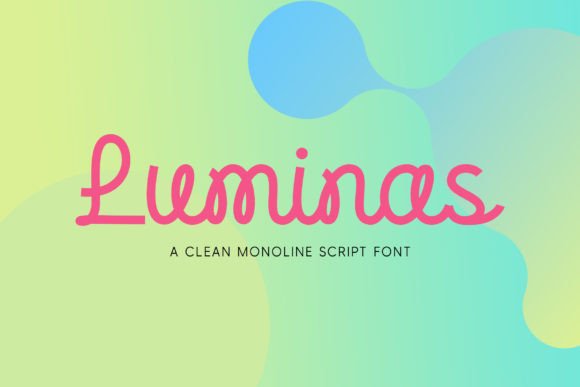
Finding a typeface that bridges the gap between artistic flair and professional clarity is a constant challenge in design. You want something that feels personal and handcrafted, yet polished enough for a serious brand. Enter Luminas, a script font that manages to capture attention immediately with its unique, modern sensibility. It isn't just another cursive font; it is a carefully crafted tool designed to bring a fresh, energetic vibe to a wide range of projects. The defining characteristic of Luminas is its monoline writing style. Unlike traditional calligraphy fonts that rely on thick downstrokes and thin upstrokes, Luminas maintains a consistent weight throughout each letter. This creates a smooth, rhythmic flow that feels contemporary and accessible.
The personality of this typeface is best described as confident yet approachable. It avoids the stuffiness of formal scripts while steering clear of the chaotic illegibility of overly distressed grunge fonts. Each letter connects seamlessly, creating a cohesive word shape that is easy on the eyes. For designers, entrepreneurs, and content creators, this visual consistency is a major asset. It allows the font to be used at various sizes without losing its integrity, making it a versatile addition to your design assets library. Whether you are working on a quick social media post or a complex branding identity, the visual appeal of Luminas lies in its ability to look effortless while maintaining high design standards.
Real-World Applications: From Branding to Packaging
Understanding where a font works best requires looking beyond the specimen sheet and into the real world. Luminas excels in environments where personality and readability must coexist. In the realm of logo design, for instance, this script font offers a distinct advantage. It provides an instant "signature" feel, which is invaluable for personal brands, lifestyle bloggers, and boutique businesses. A coffee shop, a clothing boutique, or a creative agency could use Luminas to craft a logotype that feels bespoke and artisanal. Because it is a premium font with clean vectors, it scales beautifully from a massive storefront sign down to a tiny favicon on a browser tab.
Product packaging is another area where Luminas shines. Modern consumers are drawn to packaging that tells a story, and typography is the narrator. Imagine this font gracing the label of a craft beverage, a handmade candle, or a gourmet food product. The monoline style suggests modernity and cleanliness, which can subconsciously communicate to the buyer that the product inside is fresh and high-quality. It pairs exceptionally well with minimalist design elements, allowing the typography to take center stage without overwhelming the visual hierarchy of the package.
Beyond physical products, the digital space is hungry for fonts that break the monotony of standard web typefaces. For social media graphics, Luminas acts as a scroll-stopper. Its fluid movement draws the eye in a feed dominated by rigid geometric shapes and standard sans serif fonts. Content creators can use it to highlight quotes, emphasize calls to action, or create engaging headers for Instagram stories and Pinterest pins. It adds a layer of sophistication to digital marketing materials, helping brands stand out in a crowded marketplace. Furthermore, it is an excellent choice for greeting cards and invitations. The flowing nature of the script mimics the intimacy of a handwritten note, making it perfect for wedding stationery, birthday invites, or business event announcements.
Strategic Typography: Influence on Perception and Hierarchy
Choosing a typeface is rarely just about aesthetics; it is a strategic decision that influences how your audience perceives your message. The use of Luminas can significantly impact brand perception. By utilizing a modern script, you signal that your brand is current, creative, and detail-oriented. It moves a brand identity away from the cold, corporate feel of standard system fonts and injects a human element. This is crucial for small business owners and entrepreneurs who need to build trust and rapport with their audience quickly.
However, strategic use requires an understanding of visual hierarchy. A common mistake with script fonts is overuse. If you set an entire paragraph in Luminas, you risk compromising readability. The strength of this font lies in its ability to act as a display font. It should be used for headlines, sub-headers, pull quotes, or specific call-outs where you want to draw maximum attention. When paired with a clean, neutral sans serif font for body text, Luminas creates a perfect contrast. The sans serif provides the structure and legibility for long-form reading, while Luminas provides the emotion and emphasis.
This interplay between fonts is essential for professional publishing and editorial design. Whether you are laying out a magazine spread, a blog post header, or a brochure, mixing Luminas with a complementary typeface creates a rhythm that guides the reader's eye. It establishes a clear distinction between different levels of information, making the content easier to digest. The font’s ability to maintain consistency across different weights and styles (if available in the family) further reinforces brand recognition, ensuring that your visual language remains uniform across all touchpoints.
Practical Guide: Integrating Luminas into Your Workflow
For those ready to implement Luminas, a practical approach ensures the best results. First, consider the context of your project. Because it is a script font, it carries a specific tone. While it is versatile, it leans towards the creative and casual side. It might not be the best choice for a highly technical whitepaper or a legal document, but it is perfect for lifestyle, fashion, food, beauty, and creative industries. Always evaluate the "voice" of your project. Does it need to sound authoritative and stern, or friendly and inviting? Luminas answers the latter.
Testing is a critical step that many skip. Before committing to a final design, test the font at the specific sizes it will be viewed. Look at the kerning (the space between letters) in your specific software. While premium fonts like Luminas usually have excellent default spacing, certain letter combinations in custom logos might benefit from minor manual adjustments to ensure perfect optical alignment. Additionally, test the font pairing. Try placing Luminas next to a few different sans serif or serif fonts. A geometric sans serif often provides a pleasing modern contrast, while a traditional serif can create an interesting tension between old and new.
Finally, pay attention to licensing and file formats. If you are using Luminas for commercial work—which includes client logos, merchandise, and business marketing materials—ensure you have the appropriate commercial license. This is a non-negotiable aspect of professional design. It protects you legally and supports the type designers who create these tools. Check the font package for web font formats (like WOFF or WOFF2) if you plan to use it on websites, ensuring fast load times and compatibility across different browsers. By treating Luminas not just as a download but as a professional asset, you can unlock its full potential to elevate your creative projects and strengthen your visual communication.