Brush Khalifa: A Modern Script Font for Impactful Design
Understanding the Personality of Brush Khalifa
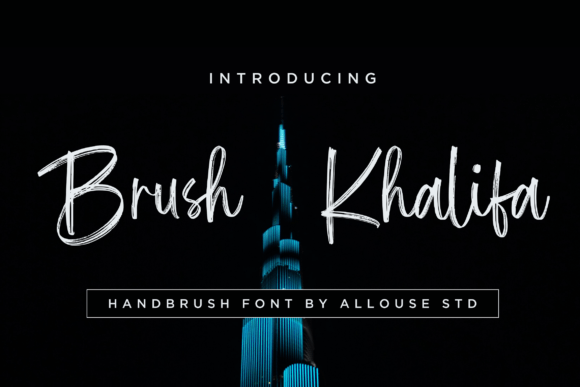
When you first encounter Brush Khalifa, you immediately notice its confident, fluid strokes. This isn't a timid, overly delicate script. Instead, it carries a contemporary energy—think of a skilled calligrapher working quickly, with a sure hand and a modern sensibility. The letterforms have a natural, slightly textured quality that feels authentic and crafted, not like a rigid digital clone. Its baseline has a gentle, rhythmic movement, giving text a sense of flow and personality that static, geometric fonts often lack. This modern script font strikes a balance between being expressive and remaining surprisingly versatile. It’s the kind of typeface that feels personal, approachable, and energetic without sacrificing clarity for short-form applications.
The overall appeal of Brush Khalifa lies in its ability to convey warmth and creativity with a professional edge. It’s a premium font designed for projects that need to stand out and make an immediate emotional connection. Unlike more traditional serif fonts or neutral sans serif fonts, a script font like this injects a human touch. It suggests craftsmanship, individuality, and a hands-on approach, which is invaluable for brands and creators looking to build a distinctive brand identity. The style leans more toward a modern typography aesthetic than a vintage one, making it relevant for today’s design landscape where authenticity and personality are key.
Where Brush Khalifa Truly Shines: Practical Applications
Knowing a font looks good is one thing; knowing where to use it effectively is another. Brush Khalifa excels as a display font—its strength is in headlines, logos, and short, impactful text blocks. Think of it as the accent wall in a room; it draws the eye and sets the mood, but you wouldn’t paint every surface with it. In logo design, this font can be transformative. It works beautifully for businesses in the lifestyle, food and beverage, boutique retail, wellness, and creative services sectors. Imagine a coffee shop logo, a handmade soap brand, or a photographer’s watermark—Brush Khalifa adds that instant layer of artisanal character and professionalism.
Beyond logos, its applications in marketing and digital design are extensive. It’s a fantastic choice for social media graphics, particularly Instagram quotes, Pinterest pins, and Facebook ad headlines where you need to stop the scroll. For web design, use it strategically for hero section titles or call-to-action phrases, always paired with a highly readable sans serif font for body copy. In packaging design, it can highlight product names or key features, especially on labels for gourmet goods, cosmetics, or artisanal products. Editorial design also benefits—think magazine pull quotes, chapter titles in e-books, or stylized headers in a blog post. For publishers and bloggers, it offers a way to break the monotony of standard text and add visual interest to key sections.
Key Strengths in Different Contexts
- Branding & Identity: Creates a memorable, personal mark for small businesses and entrepreneurs.
- Advertising & Marketing: Grabs attention in digital ads, flyers, and promotional materials.
- Print & Packaging: Adds a tactile, crafted feel to labels, boxes, and stationery.
- Digital & Social Media: Enhances shareability and visual appeal in graphics and thumbnails.
- Personal Projects: Perfect for wedding invitations, greeting cards, and DIY craft projects.
Making It Work: Font Pairing and Readability
The real skill in using a creative font like Brush Khalifa is in the pairing. Its expressive nature means it needs a stable, quiet partner. A clean, geometric sans serif font like Montserrat, Poppins, or Helvetica Neue is a classic choice. The contrast between the organic, flowing script and the structured, neutral sans serif creates a dynamic and balanced visual hierarchy. Avoid pairing it with another highly stylized handwritten font or a busy serif font, as this will create visual competition and reduce readability. The rule of thumb is: one star performer, one reliable supporting actor.
Readability is paramount. Brush Khalifa is not intended for long paragraphs of body text. Its detailed letterforms and connecting strokes can become challenging to read at small sizes or in dense blocks. Use it for headlines, subheadings, logos, and short phrases—typically under 10 words. Always test your designs at the intended size and on the intended medium. What looks stunning on a large monitor might become an illegible blur on a mobile screen or a printed business card. Pay close attention to letter spacing (tracking); sometimes, slightly increasing the spacing between letters can improve clarity without sacrificing the font's character.
A Practical Guide to Choosing and Using This Font
Before integrating Brush Khalifa into your next project, ask a few key questions. First, does the project’s personality align with the font’s vibe? It’s perfect for brands that are friendly, creative, energetic, or artisanal. It might not be the best fit for a law firm or a corporate financial report. Second, consider the format. Will it be used primarily in print or digital? Check the font files for what’s included—does it have multiple weights or styles? Are there alternate characters or ligatures that can add variety? A good commercial font will offer these options to increase its utility.
Always review the licensing. As a premium font, it comes with specific terms for use across different platforms—desktop, web, app, and social media. Ensure the license covers your intended use, whether it’s for a personal blog or a client’s global advertising campaign. Finally, test rigorously. Place it in your layout alongside your chosen body text font. View it in color and in black and white. Print a proof. Get feedback. This due diligence ensures that your design assets work harmoniously to achieve your goal: effective, professional communication that engages your audience and strengthens your brand perception. By using Brush Khalifa thoughtfully, you’re not just choosing a font; you’re leveraging a tool that can add significant emotional resonance and visual appeal to your work.