Antiquel: A Font Duo for Timeless Branding
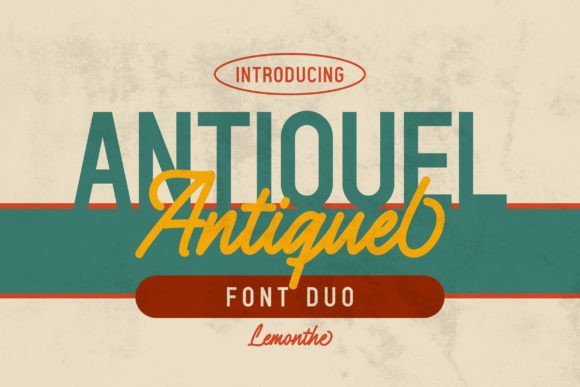
Finding the right typography for a project often feels like searching for a needle in a haystack. You need something that commands attention yet feels approachable, something modern yet undeniably classic. The Antiquel Font Duo resolves this tension by pairing a structured, all-caps sans-serif with a flowing, elegant script. This combination creates a distinct visual voice that feels both professional and personal, making it a versatile asset for a wide range of creative work.
At its core, the Antiquel sans-serif component is clean, geometric, and assertive. The letterforms are balanced and legible, built with consistent stroke widths that give headlines a solid, grounded presence. It’s the kind of typeface that works beautifully for main titles, product names, and key messaging where clarity is non-negotiable. The accompanying script font introduces a layer of warmth and fluidity. Its connected, handwritten-style strokes add a human touch, suggesting craftsmanship, authenticity, and a story behind the brand. Used together, they create a dynamic font pairing that guides the eye naturally from a strong statement to a more personal detail.
Crafting a Distinct Brand Identity
For entrepreneurs and small business owners developing their brand identity, typography is a foundational decision. The character of your chosen typeface directly influences how your audience perceives you. Antiquel excels in this space because it balances professionalism with personality. Imagine a boutique coffee roaster using the sans-serif for the brand name on its packaging, conveying reliability and quality. The script could then be used for a tagline like "Hand-Crafted Daily," adding that crucial element of human touch and care. This approach works equally well for a freelance photographer's logo, a local bakery's signage, or a lifestyle blog's header.
The strength of this premium font lies in its ability to bridge different stylistic eras. It can evoke a retro sensibility reminiscent of mid-century advertising while simultaneously feeling sharp and contemporary. This makes it particularly effective for brands that want to project heritage or tradition without appearing outdated. A craft brewery, for instance, could leverage the classic script feel for a vintage-inspired label, while a modern design studio might use the clean sans-serif for a minimalist, forward-thinking aesthetic. The versatility is a significant practical advantage, allowing a single font duo to serve multiple creative directions.
Practical Applications Across Design Projects
Understanding where Antiquel performs best helps you maximize its value as a design asset. Its dual nature makes it suitable for projects that require a hierarchy of information with distinct visual layers. In editorial design, the sans-serif is perfect for chapter titles and pull quotes, while the script can highlight author names or special feature headings. For packaging design, this combination allows a product's name to stand out boldly, with the script used for descriptive phrases or flavor notes, creating an inviting shelf presence.
In the digital realm, Antiquel is a strong contender for web design and social media graphics. The all-caps sans-serif is excellent for website navigation menus, call-to-action buttons, and hero section headings, ensuring readability across screen sizes. The script font can add flair to Instagram stories, Pinterest pins, or email newsletter headers, making promotional content feel more curated and less generic. When used thoughtfully, it helps create a cohesive visual experience that strengthens brand recognition across all touchpoints, from a business card to a Facebook ad.
Evaluating Fit and Ensuring Readability
Before committing to any commercial font, it's wise to test its fit with your specific content. For Antiquel, consider the personality of your project. Is the goal to feel approachable and handcrafted? The script will likely be a hero element. Is the aim for clean, authoritative communication? The sans-serif will carry the load. Always download and test the font files with your actual text. Check the spacing between letters (kerning) and how the script connects in different word combinations. Readability is paramount, especially for body text or smaller applications; while the sans-serif is highly legible at various sizes, the script is best reserved for larger display uses where its intricate details can be appreciated.
Examine the full character set included with the Antiquel package. Does it include the punctuation and symbols you need? Does the script font have stylistic alternates or ligatures that can enhance your designs? These details matter when you're aiming for a polished, professional result. Finally, ensure the licensing aligns with your intended use, whether for a personal blog, client work, or commercial products. A well-chosen creative font like this one is an investment that pays dividends in the consistency and quality of your visual communications.
Final Considerations for Your Creative Toolkit
Integrating a font pairing like Antiquel into your workflow requires a bit of strategy. Use the sans-serif for primary information that needs to be absorbed quickly and clearly. Deploy the script for secondary elements that benefit from a decorative, engaging touch. Avoid using the script for long paragraphs or small text, as its beauty can become a barrier to reading ease. When combining it with other typefaces, stick to one or two additional fonts to maintain a clean hierarchy—perhaps a simple serif font for body copy if you're building a complete typographic system.
Ultimately, the best way to appreciate the potential of Antiquel is to see it in action. Create mockups for a logo, a social media post, and a product label. Observe how the two styles interact and support each other. Does the combination feel balanced? Does it tell the story you want? For designers, marketers, and creators seeking a display font duo that offers both striking impact and subtle sophistication, this pairing presents a compelling solution. It’s a tool that can elevate a project from merely functional to truly memorable, helping you connect with your audience on a more visual and emotional level.