Calligraph: A Handwritten Script Font for Timeless Design
The Fluid Elegance of a Dancer's Movement
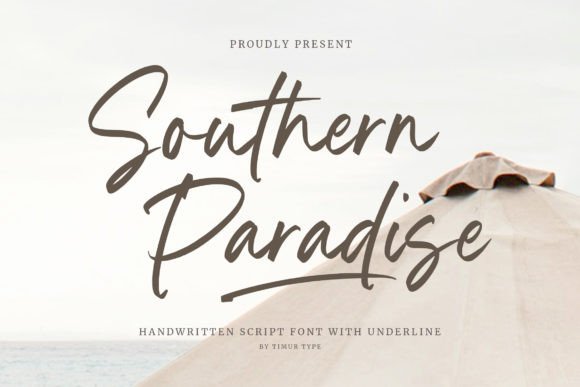
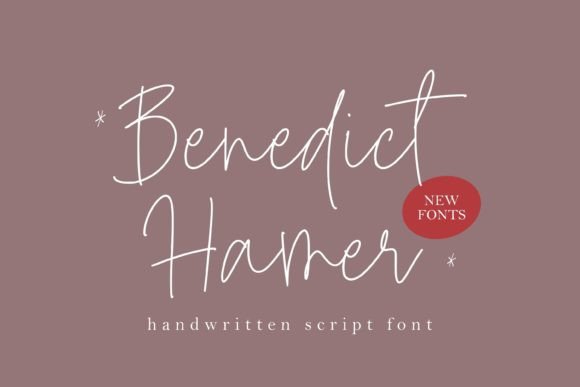
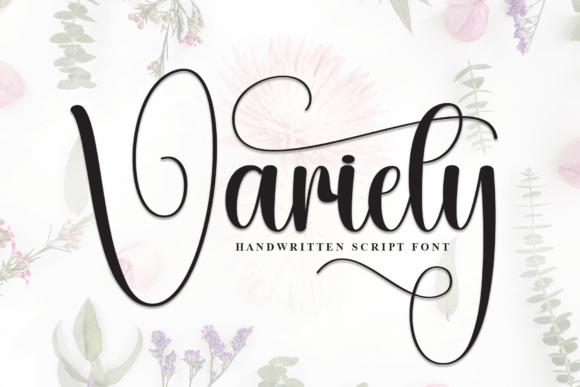
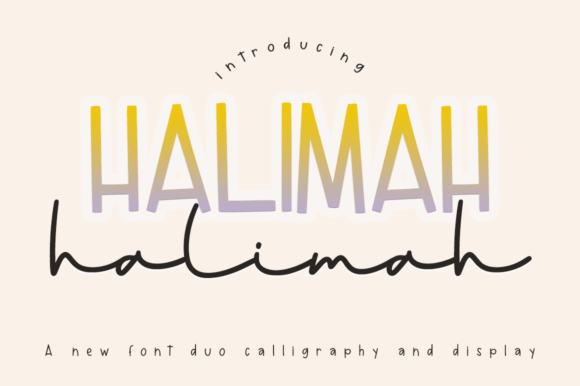
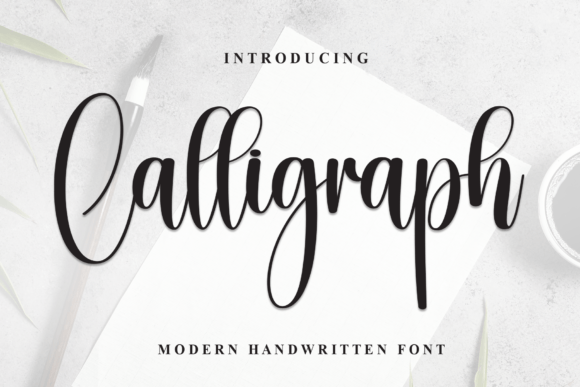
There’s a certain magic in handwritten text that digital fonts often struggle to capture. It’s the slight imperfection, the human touch, the sense of a story being told by hand. Calligraph is a premium font that manages to bottle this magic. It’s a script font designed to feel less like typed letters and more like a graceful performance. Each letterform flows into the next with the gentle curves and fluid strokes of a dancer, creating a rhythm on the page that is both sophisticated and deeply personal.
This isn’t your typical, rigid calligraphy. Calligraph has a modern sensibility. It balances its traditional, elegant roots with a clean, legible structure that makes it surprisingly versatile. The personality it conveys is one of whimsy and romance, but without veering into territory that feels childish or overly ornate. It speaks of thoughtfulness, creativity, and a touch of artistic flair. For a designer or business owner, this typeface offers a way to instantly inject warmth and authenticity into a project, moving away from the coldness of standard corporate fonts.
Finding the Perfect Project for Calligraph's Charm
Knowing where a creative font like Calligraph shines is key to using it effectively. Its primary strength lies in projects where emotion, personality, and a human connection are paramount. Think of the invitations that make you pause and smile, the greeting cards that feel personally crafted, or the branding that tells a story before you even read the words. Calligraph excels in these arenas.
In brand identity, it’s a powerful tool for businesses in the wedding industry, artisanal food brands, boutique hotels, or any service that prides itself on a personal touch. It can form the cornerstone of a logo design for a florist, a calligrapher, or a lifestyle blog, immediately setting a tone of elegance and care. For packaging design, especially for cosmetics, specialty teas, or handmade goods, it adds a layer of perceived quality and craftsmanship.
Beyond print, its applications in the digital world are just as compelling. Social media graphics benefit enormously from a font with this much personality. A quote card, a promotional announcement, or a story highlight cover using Calligraph can stop a user’s scroll because it feels different and more artistic than the standard fare. In web design, it’s perfect for impactful headers, pull quotes, or accent text that needs to draw the eye and convey a specific mood, though it should be used thoughtfully to maintain readability on screens.
Strategic Pairings and Practical Considerations
Using a strong display or script font like Calligraph requires a bit of strategy. It’s rarely the workhorse for long paragraphs of body copy. Instead, its role is to create visual hierarchy and inject style. The most effective way to use it is to pair it with a clean, neutral companion font. A simple serif font like Georgia or a modern sans serif font like Lato or Open Sans provides a stable, readable foundation that allows Calligraph’s expressive characters to take center stage without causing visual chaos.
Before committing to Calligraph for a client project or your own brand, test it thoroughly. Set your key headlines, your business name, and any critical taglines. Check the legibility of individual letters, especially at smaller sizes or on low-resolution screens. Look at the natural flow between specific letter combinations that are common in your text. This hands-on testing is a non-negotiable step in evaluating any design asset. It ensures the font’s personality aligns perfectly with your project’s goals and remains functional across all intended uses.
Understanding the Details: Licensing and Versatility
When you invest in a commercial font, you’re not just buying a set of letters; you’re acquiring a tool with specific rights and capabilities. It’s crucial to review the licensing agreement for Calligraph. Understand whether it covers the uses you have in mind, be it for a client’s logo design, products for sale on an e-commerce site, or widespread editorial design. Most reputable foundries offer clear tiers for desktop, web, and app usage.
Many high-quality fonts, and it’s worth checking if Calligraph is among them, come with additional styles or features. These might include alternate characters, ligatures (special combined letters like “fi” or “fl”), or stylistic sets that offer different versions of key letters. These extras are not just decorative; they are practical tools that allow you to fine-tune the text to avoid awkward repetitions and create a more authentic, hand-lettered look. Exploring these features is part of mastering the font and unlocking its full potential for your modern typography projects.
Ultimately, Calligraph is more than just a handwritten font. It’s a versatile design tool that bridges the gap between traditional elegance and contemporary application. By understanding its character, pairing it wisely, and applying it to the right contexts—from branding projects to digital publications—you can leverage its graceful strokes to create work that feels both beautiful and genuinely connected to its audience.