Money: A Modern Script Font for Creative Projects
The Irregular Charm of Money
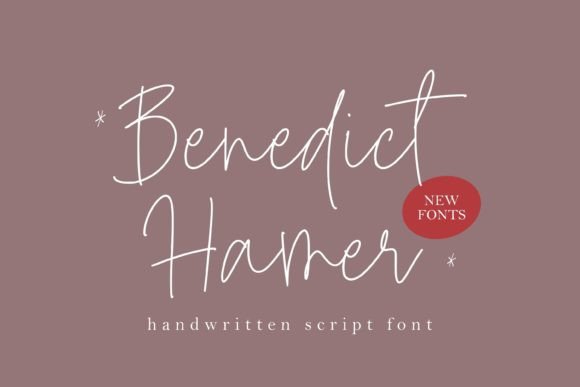
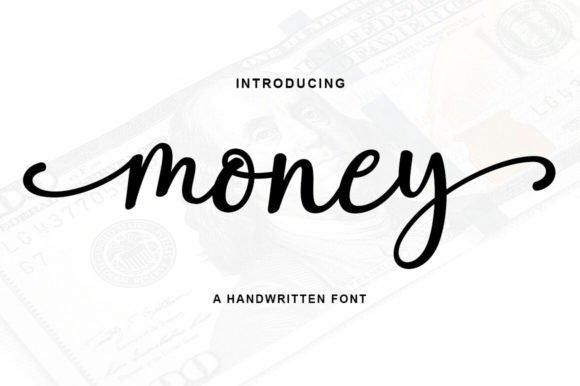
When you first encounter the Money typeface, its defining characteristic is immediate: a wonderfully irregular baseline. This isn't a flaw; it's the font's personality. It mimics the natural, slightly uneven flow of handwritten ink or a brush pen, giving text an organic, human touch. The style is decidedly modern and feminine, with graceful, sweeping letterforms that feel both trendy and timeless. It avoids the stiffness of many digital scripts, instead offering a fluid elegance that feels authentic and personal. This makes Money a standout creative font for projects where you want to convey warmth, sophistication, and a handcrafted aesthetic.
Where This Script Font Truly Shines
The versatility of Money is one of its greatest strengths. It's a premium font designed not just for one purpose, but for a range of applications where its unique style adds significant value.
- Stationery and Invitations: This is Money's sweet spot. Its flowing style is perfect for wedding invitations, thank you cards, save-the-date notices, and elegant greeting cards. The irregular baseline adds a bespoke, artisanal quality that elevates any stationery suite.
- Logo and Brand Identity: For brands targeting a feminine, chic, or boutique audience—think florists, wedding planners, artisan bakeries, or lifestyle blogs—Money can be a powerful tool in logo design. It works beautifully for a brand name or a tagline, lending an immediate sense of style and personality. It’s a font that helps build a memorable brand identity.
- Marketing and Digital Content: Use Money to create eye-catching social media graphics, blog post titles, or promotional quotes. It’s excellent for adding visual hierarchy and a touch of elegance to digital layouts. On platforms like Instagram or Pinterest, where visual appeal is paramount, this script font can make your content stand out.
- Packaging and Editorial Design: Imagine Money on the label of a artisan jam, a candle, or a beauty product. It instantly communicates quality and care. In editorial design, it can be used for pull quotes, chapter headings, or magazine features to add a sophisticated, human element.
More Than Just Pretty Letters: Strategic Font Use
Choosing a font like Money isn't just an aesthetic decision; it's a strategic one that influences how your audience perceives your message. The right typeface guides the reader's eye and shapes their emotional response.
Readability and Visual Hierarchy: Money is a display font, meaning it's designed for impact at larger sizes, such as headings or logos. Its strength lies in its style, not in setting long paragraphs of body copy. For best results, pair it with a clean, highly legible serif font or sans serif font for body text. This contrast creates a clear visual hierarchy, making your design both beautiful and functional. A classic pairing might be Money for a headline and a font like Lora or Open Sans for the supporting text.
Brand Perception and Recognition: Consistent use of a distinctive font like Money helps build brand recognition. When customers see that specific, elegant script across your website, packaging, and social media, they begin to associate it with your brand's quality and style. It becomes a key component of your brand identity, fostering trust and professionalism.
Audience Engagement: The personal, handwritten feel of Money can create an emotional connection with your audience. It feels less corporate and more human, which can be particularly effective for businesses that value storytelling and personal relationships with their customers. This engagement is crucial for entrepreneurs, bloggers, and content creators looking to build a loyal community.
Practical Guidance for Using the Money Font
Integrating a new font into your workflow requires some practical considerations to ensure it works effectively for your project.
- Evaluate the Project Fit: Ask yourself if the project's tone matches Money's personality. Is it elegant, feminine, and modern? If you're designing a technical manual or a corporate annual report, it's likely not the right fit. But for a wedding website, a fashion lookbook, or a creative portfolio, it could be perfect.
- Test Font Pairings: Don't use Money in isolation. Experiment with pairing it with different typefaces. A sturdy serif font can add a classic foundation, while a geometric sans serif can create a more contemporary, high-contrast look. The goal is balance—let Money be the star while supporting fonts handle the heavy lifting of readability.
- Explore the Glyphs and Ligatures: Money is PUA encoded, which is a significant practical benefit. This means all the beautiful alternate letters, swashes, and ligatures are easily accessible, even in basic design software. Don't just type out the standard alphabet. Explore the character map to find stylistic alternates for the initial and final letters. Using these variations is what will make your text look truly custom and professional, avoiding repetitive letterforms.
- Consider Readability in Context: Always test your text at the actual size it will be viewed. A beautifully styled headline on your computer screen might become illegible when printed small on a business card. Ensure the context—whether it's a large-scale banner or a small social media icon—preserves the font's elegance without sacrificing clarity.
- Review Licensing for Commercial Use: If you plan to use Money for client work, products for sale, or widespread digital distribution, confirm you have the appropriate commercial license. This is a standard and professional step when working with any premium font or design asset, ensuring you're legally covered for all your creative endeavors.
In the landscape of modern typography, Money offers a distinct voice. It’s a tool for adding human warmth and stylish flair, transforming ordinary text into a compelling visual element. By understanding its strengths and applying it thoughtfully, you can leverage this script font to enhance your projects, strengthen your brand, and connect more deeply with your audience.