Chardonnay: The Premium Script for Effortless Brand Elegance
In the world of design, certain typefaces possess a quiet confidence. They don't shout; they resonate. Chardonnay is one such font. It’s not merely a collection of letters but a crafted instrument of expression, designed to bring a specific kind of refined, human touch to your projects. Understanding what makes it tick is the first step to using it effectively.
A Font with Handcrafted Character
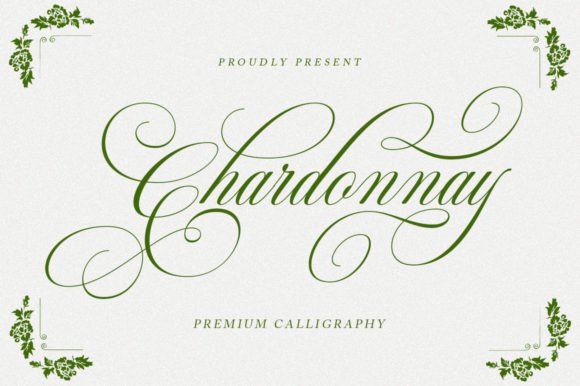
At its heart, Chardonnay is a premium calligraphy font. Its origins are tactile, handcrafted with a copper plate stylus, a detail that informs its entire visual personality. You can see this in its fluid, confident strokes and the subtle, organic variations in its letterforms. It strikes a delicate balance—it feels personal and artistic, yet structured and highly legible. This isn't a casual, rough script font or a formal, rigid serif font. It occupies a sweet spot of sophisticated elegance, making it a versatile display font for projects that require a touch of class.
The true power of this creative font lies in its comprehensive feature set. As an OpenType premium font, it includes alternates, style sets, ligatures, and swashes. What does this mean for you practically? It means you have control. You can adjust the tail on a lowercase 'y', change the connection between specific letter pairs to avoid awkward joins, or add a flourish to a capital letter. Each lowercase glyph has its own stylized styling, allowing for a level of customization that prevents your designs from looking generic. This transforms it from a simple font into a robust design asset.
Where Chardonnay Truly Shines: Practical Applications
Knowing a font's personality is one thing; knowing where to deploy it is where strategy comes in. Chardonnay excels in contexts where you want to convey warmth, authenticity, and premium quality without sacrificing clarity.
- Branding and Logo Design: For businesses built on personal service, artisanal quality, or luxury, Chardonnay can be a cornerstone of a brand identity. It’s perfect for a boutique bakery, a wedding photographer, a high-end florist, or a consultant whose personal brand is their business. Pair it with a clean, geometric sans serif font for body text to create a striking and professional contrast.
- Wedding and Event Stationery: This is a natural home for Chardonnay. Its elegant flow is ideal for wedding invitations, save-the-dates, menu cards, and thank-you notes. It sets a tone of romance and celebration that more rigid typefaces cannot.
- Packaging and Editorial Design: On product packaging for cosmetics, gourmet foods, or specialty goods, Chardonnay adds a perceived value and craftsmanship. In editorial design, it works beautifully for pull quotes, chapter titles in a book, or headings in a lifestyle magazine, adding visual interest and guiding the reader's eye.
- Digital and Social Media: Don't relegate it to print. Chardonnay can elevate web design when used sparingly for hero text, logo marks, or accent headings. It’s particularly effective in social media graphics—think Instagram quotes, Pinterest pins, or Facebook cover images—where a single, beautifully set line of type can stop the scroll.
Its versatility as a script font allows it to adapt across commercial font applications and personal projects alike, from business collateral to a heartfelt greeting card.
Making the Most of Chardonnay: A Designer's Guide
Simply installing the font is just the beginning. To integrate it successfully, consider these practical steps.
Evaluate Project Fit: Ask yourself if the project's tone aligns with Chardonnay's elegant, handcrafted feel. It might not be the best choice for a children's toy brand or a tech startup, but it’s ideal for a wellness blog, a real estate agent specializing in historic homes, or a jewelry designer.
Master Font Pairing: A script font like this should rarely stand alone for large blocks of text. Its strength is in headlines, logos, and accents. Pair it with a stable, readable companion. A classic serif font like Garamond or a neutral sans serif font like Montserrat or Lato creates a harmonious hierarchy. The contrast in style and weight helps with visual hierarchy, making your layout easy to navigate.
Explore the OpenType Features: Dive into the glyph panel in your design software. Experiment with the alternates and swashes. For a logo, you might use a swash on the capital letter. For a long headline, you might use a standard ligature to ensure a smooth connection between an 'h' and an 'e'. This attention to detail is what separates amateur work from professional modern typography.
Test for Readability: While Chardonnay is designed for legibility, context matters. At small sizes on a screen, intricate details can blur. Always test your design at the intended final size. For body text, always choose a simpler typeface. Use Chardonnay where it can be appreciated: large and in control.
Understand the License: As a premium font, it comes with a commercial license. Ensure you review the terms. Typically, this allows for use in logos, websites, and printed materials for a single client or business. If you're a designer working for multiple clients, you may need a different license tier. This is a crucial step for any commercial font in your toolkit.
By treating Chardonnay not as a default solution but as a specialized tool, you can leverage its unique character to enhance brand perception, create consistent visual communication, and engage your audience with a sense of crafted sophistication. It’s a testament to how the right typeface can do more than convey words—it can convey feeling.